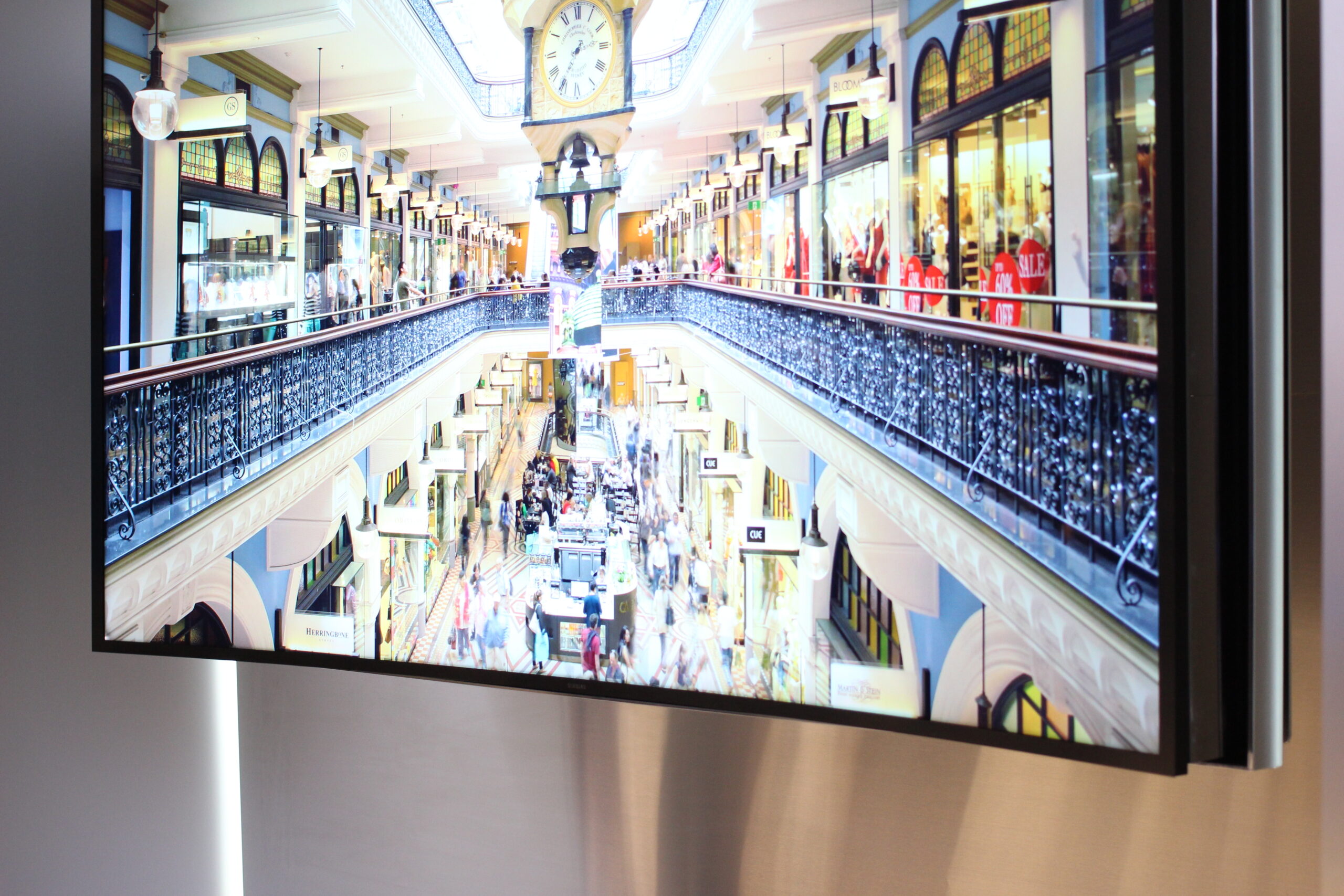
OLED and 4K describe different things about a TV, so comparing them directly is like asking whether a car is better because it is red or because it has a turbo engine. 4K refers to resolution: the number of pixels on screen. OLED refers to display technology: how the screen produces light. Almost every OLED TV sold today is also 4K. The real comparison worth making is OLED display technology versus LCD technology (QLED or LED) at 4K resolution. That comparison has a clear answer depending on your room and use case.
Quick answer
| Term | What it describes | Example |
|---|---|---|
| 4K | Resolution: 3,840 x 2,160 pixels | Any TV marketed as 4K |
| OLED | Display technology: self-lit pixels | LG C4, Samsung S90D, Sony Bravia 8 |
| 4K OLED | Both: 4K resolution plus OLED panel | LG C4 OLED, Sony A95L |
What does 4K mean?
4K is a resolution standard: 3,840 x 2,160 pixels. It applies to both OLED and LCD display types. A 4K TV can use an OLED panel, a QLED panel, a Mini LED panel, or a standard LED-backlit LCD. The 4K label only describes how many pixels the screen contains.
My experience reviewing TVs is that most buyers over-focus on resolution. The difference between a 4K OLED and a 4K QLED at the same resolution is far more noticeable than the resolution step from 1080p to 4K.
What is OLED?
OLED stands for Organic Light-Emitting Diode. Each individual pixel produces its own light and can be switched off completely. This gives OLED panels perfect blacks: a pixel that is off emits zero light, producing true black rather than a dim glow.
The practical result is infinite contrast ratio. The gap between the darkest shadow and the brightest highlight is wider on an OLED than any LCD panel at any brightness level. OLED TVs also have near-instant pixel response times, which makes fast motion look sharper. All OLED TVs sold as consumer TVs are 4K.
The main limitations are peak brightness and burn-in risk. OLED panels do not reach the peak brightness levels of the brightest QLED TVs, which matters for HDR highlights in bright rooms. Long-term static images can cause permanent burn-in over thousands of hours, though modern OLEDs have significantly improved burn-in resistance.
OLED vs LCD at 4K: the actual comparison that matters
| Spec | 4K OLED | 4K QLED/LED |
|---|---|---|
| Contrast ratio | Infinite (true black) | Limited (LED backlight glow) |
| Black levels | Perfect | Good to excellent (depends on local dimming) |
| Peak brightness | Up to 1,500 nits (QD-OLED) or 800 nits (WOLED) | Up to 2,000+ nits (Neo QLED, Mini LED) |
| Price (55-inch) | $1,000 to $3,500 | $300 to $2,000 |
| Burn-in risk | Low to moderate (long-term static images) | None |
| Response time | 0.1ms typical | 1 to 5ms typical |
| Viewing angles | Excellent | Good (IPS) to poor (VA) |
I tested a 55-inch LG C4 OLED alongside a Samsung QN85B QLED of the same size in a dim living room. The OLED’s black levels and contrast in dark scenes were clearly superior. The QLED won on HDR peak brightness in a bright room.
Which should you choose?
OLED if: you watch a lot of movies and TV shows in a dim or dark room, you value perfect blacks and contrast above everything else, and burn-in risk does not concern you.
LCD or QLED if: your room gets significant daylight or ambient light, you want the highest possible peak brightness for HDR, burn-in is a concern (living room gaming or news channel 24/7), or the OLED price premium is outside your budget. See our best OLED 4K TVs guide for specific picks.
Frequently asked questions
Is OLED better than 4K?
OLED and 4K are not directly comparable. OLED is a display technology describing how a screen produces light. 4K is a resolution describing how many pixels a screen has. All OLED TVs are 4K. The meaningful comparison is OLED technology versus LCD technology at the same 4K resolution.
What is 4K OLED?
A TV that uses an OLED display panel and has 4K resolution. It combines the best display technology (perfect blacks, infinite contrast, fast response) with 4K content support. Models include the LG C4, Sony Bravia 8, and Samsung S90D.
Do all OLED TVs have 4K resolution?
Yes, all consumer OLED TVs sold today are 4K. LG, Samsung, Sony, and Philips all manufacture their OLED TV panels at 3,840 x 2,160 resolution. There are no new 1080p OLED TVs on the consumer market.
See the best 4K OLED TVs to buy now
Our tested picks cover every budget from entry OLED to flagship QD-OLED.
See OLED picks